
Organizations

Independent

other

3
Talks
3
Speakers
2
Editions

Talks

The Review Loop That Never Terminates

The observation that should change how you work is about a review loop that does not terminate: ask for a review, get findings, fix them, ask again, get new findings, repeated through a whole day until the speaker concludes he has become the machine in the loop. That is better read as a property of the arrangement than as model unreliability — traditional review terminates because a human gets bored or runs out of time, and removing the human cost removes the stopping condition with it. The organising idea of the talk is that your job is no longer building software faster but helping your agent build software faster, which reframes a portfolio of small side tools as accumulated leverage rather than failed products. His review-depth policy scales with blast radius rather than applying uniformly, and his renaming of the pull request as a prompt request inverts thirty years of open-source etiquette about what counts as a generous contribution.
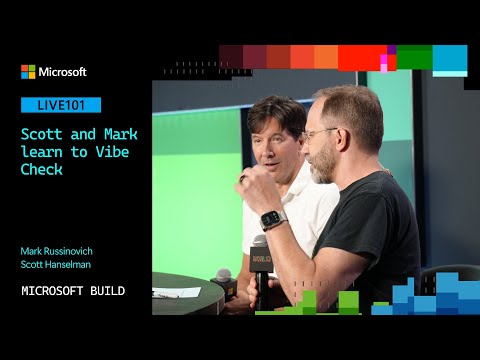
Peter Steinberger / Microsoft Build

Hard Tasks Became the Cheap Ones

The most useful sentence across this hour answers whether you watch what the model is doing: it depends on the stakes. A small interface prototype gets no supervision; code running a sandbox inside his own system got close attention and a series of attempts to break it. That is a better review policy than most organisations have written down, because when generation becomes cheap, review is the scarce resource and spending it uniformly under-reviews the dangerous code. The observation that reframes the economics is that a hard problem means the model works for ten minutes while you do something else, so difficult tasks have become the cheaper ones in attention — inverting a relationship that has held for the entire history of software. The remark about trusting his own software after four months of use, rather than because an expert wrote it, is a real shift in what evidence counts.

Simon Willison / Microsoft Build

From an Attention Economy to an Attachment One

The distinction in this session that deserves to travel is a two-word change: the model is moving from an attention economy to an attachment economy. That changes what is measured and what regulation would have to address, because attention competes for time while attachment competes for relationship, and the two produce different products from identical technology. Attention is finite in a way people notice; attachment produces reliance that feels like preference, which makes it harder to regulate for the same reason it is harder to notice. The supporting argument is about incentives rather than intent: earlier engagement produces more data and longer relationships. The regulatory proposal — measuring well-being outcomes rather than asking for safety by design — identifies the right target without solving the measurement problem that made regulators settle for a floor in the first place.

Helen Clark / World Economic Forum Annual Meeting

How to cite this page

Copy a stable citation for this source-backed profile.